

Is an Artisan Tea Shop Online Store Worth It?
Last Updated: November 2, 2026
Quick Summary
An artisan tea shop online store is worth it if you value small-batch, carefully sourced loose-leaf tea with named origins and processing details over grocery-store convenience. A good artisan tea shop carries a narrower catalog and knows each tea well, so judge value by cost per good cup rather than sticker price.
- Every tea in the current collection is priced at $20.99, so compare styles by flavor and caffeine, not budget tier.
- Loose-leaf tea is typically brewed at roughly 2 to 3 grams per 8 to 12 ounces.
- Green and white teas are best within about 6 to 12 months of harvest; black and oolong hold 12 to 24 months.
- Store tea airtight, dark, and away from spices and coffee, and buy quantities you'll finish.
- Earl Grey brews at 195 F for 5 to 10 minutes at 2.5g per 12oz.
Table of Contents
- What an Artisan Tea Shop Online Store Actually Delivers
- Quick Comparison: Tea Collections and Pricing at a Glance
- How to Choose Loose-Leaf Tea That Fits Your Routine
- Best Tea for Beginners: Start With These Styles
- Ethically Sourced Tea: How to Verify the Claims
- Loose-Leaf Tea Storage: Keeping Freshness in the Cup
- Brewing Guidance Matched to Each Tea Type
- Build Your First Tea Order at Oak & Origin
- Frequently Asked Questions
What an Artisan Tea Shop Online Store Actually Delivers
An artisan tea shop online store is a web retailer that sells small-batch, carefully sourced loose-leaf tea, usually with details about where each tea came from and how it was processed.
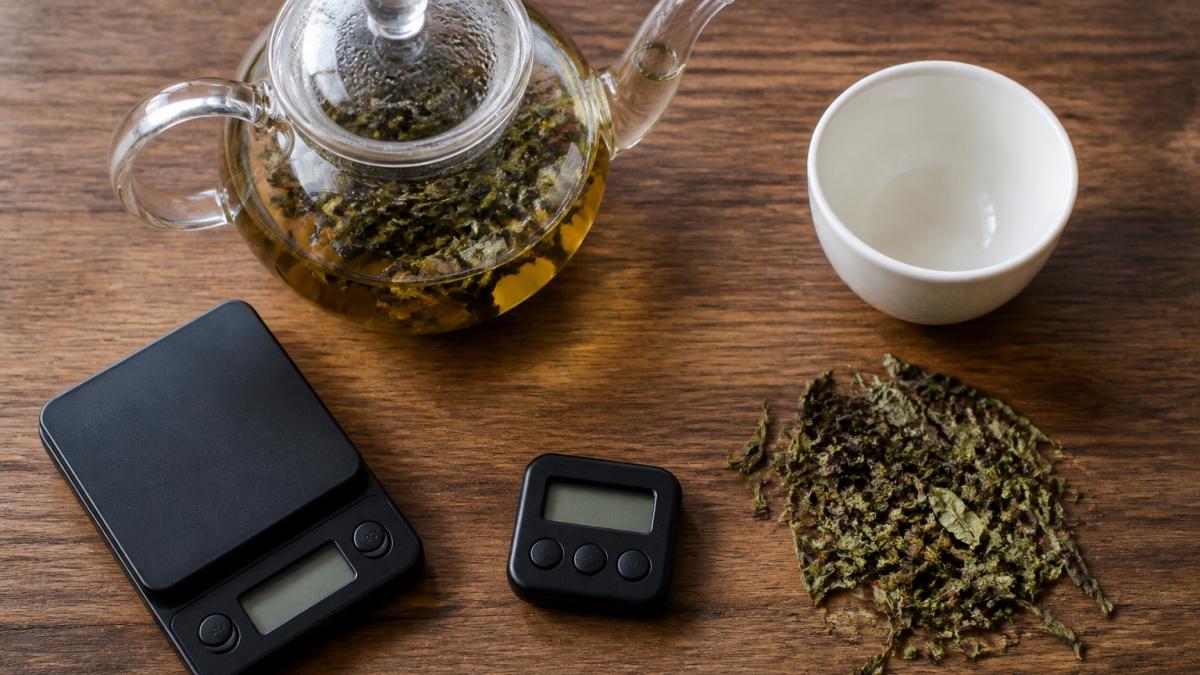
What separates this kind of shop from a grocery aisle is what comes with the leaf. A good artisan shop carries a narrower catalog and knows each tea well. You can browse the full tea collection to see what the shop offers.
That trade-off matters. A supermarket sells convenience and a low price per cup. An artisan shop sells flavor, freshness, and a paper trail. Whether that's worth it depends on how much you care what's in your cup.
Quick Comparison: Tea Collections and Pricing at a Glance
Every tea in our current collection is priced at $20.99, which makes comparing styles straightforward. Here's how the lineup breaks down by category, best use, and what that price actually buys you per cup.
| Tea | Category | Flavor Profile | Best For | Caffeine |
|---|---|---|---|---|
| English Breakfast | Black blend | Rustic, sweet, stands up to milk | First cup of the day | Moderate |
| Earl Grey | Black, flavored | Orange, floral, malt | Afternoon ritual | Moderate |
| Masala Chai | Black, spiced | Full-bodied, aromatic, intense | Milk-based chai | Moderate |
| Jasmine | Green | Sweet, smooth, silky | Multiple steepings | Low to moderate |
| Moroccan Mint | Green with mint | Smooth, vibrant, refreshing | Hot or iced | Low |
| Matcha | Green, powdered | Refined and lingering | Traditional preparation | Moderate |
| Hibiscus Berry Tea | Herbal | Berry, currant, sweet | Cold brew | None |
| Apple Cider Rooibos | Herbal, caffeine-free | Spicy, sweet | Evening cup | None |
| Peach Paradise | Herbal | Peach, cranberry, rose | Hot or iced | None |
| Mango Treat | Fruity | Sweet, smooth, summery | Iced tea | None |
What the price buys. A single $20.99 price point removes the guesswork, but the number that matters is value per cup.
How to read the table. Pick by flavor and caffeine level, not by budget tier, because the price is the same across the lineup. Buy the styles you'll finish, not the ones that sound most impressive, freshness beats a bargain on a large bag every time.
Watch out: don't compare an artisan bag to a grocery box by sticker price alone. The fair comparison is cost per good cup, not cost per package.
How to Choose Loose-Leaf Tea That Fits Your Routine
The right loose-leaf tea is the one you'll actually brew on a normal Tuesday, not the one that sounds most impressive on the label. Start with when you drink it. A morning cup that needs to survive milk and a rushed schedule points to a sturdy black blend. An evening cup points to something caffeine-free.
A common mistake is buying a delicate green tea as a daily driver and then brewing it with boiling water in a hurry. It turns bitter, and the tea gets blamed. Match the tea to your habits first, then to your taste.
Three questions narrow it fast:
- When do you drink it? Morning, afternoon, or evening changes the caffeine answer.
- How do you take it? Milk and sugar suit strong blacks; delicate greens and herbals are better plain.
- How much time do you have? Some teas reward multiple steepings; others are one and done.
If you want the deeper detail on verifying sourcing before you buy, our guide on how to spot ethically sourced tea walks through the questions to ask.
Best Tea for Beginners: Start With These Styles
The best tea for beginners is a familiar style brewed simply: English Breakfast for black tea drinkers, Moroccan Mint for something lighter, and an herbal blend for anyone avoiding caffeine.
English Breakfast is the safest entry point. You can start with English Breakfast and build from there.

From black tea, the natural next step is Earl Grey, our Ceylon black tea blended with blue cornflowers and bergamot oil. It drinks well alone but takes milk and sugar without falling apart.
For a lighter cup, Moroccan Mint pairs green tea with fresh mint. It's refreshing hot and, in our view, better iced. Beginners tend to like it because the mint covers any bitterness from over-steeping.
Watch out: the most common beginner error is over-steeping. Set a timer for the first few cups until you know how a tea behaves.
Ethically Sourced Tea: How to Verify the Claims
"Ethically sourced" is one of the easiest phrases to print on a label and one of the hardest to check.
Vague language is the red flag. If a product page says "responsibly sourced" and nothing else, you've learned nothing. If it names the region, the harvest timing, or how the leaves were handled, that's a claim you can at least evaluate.
When you're comparing shops, ask:
- Does the listing name where the tea was grown?
- Does it describe how the leaf was processed?
- Will the shop answer a direct question about a specific tea?
- Are the claims consistent across the site, or do they shift?
The Federal Trade Commission's guidance on environmental marketing claims sets the baseline for how sourcing and sustainability claims should be substantiated in the U.S. A shop that can't back up its language is a shop to skip.
The Jasmine listing explains that the green tea is picked by hand and set aside until the jasmine blossoms are ready, then paired. That's the level of detail worth expecting.
Loose-Leaf Tea Storage: Keeping Freshness in the Cup
Loose-leaf tea storage is simple in principle, keep the leaf dry, dark, sealed, and away from strong smells, but freshness is really a buying decision as much as a storage one.
Read the harvest date, not just the best-by date. A best-by date tells you when a shop thinks the tea is still sellable; a harvest date tells you how old the leaf actually is.
Freshness indicators to check before and after buying:
- Dry leaf appearance. Whole, unbroken leaves with consistent color. Dust and fannings at the bottom of the bag mean broken leaf, which stales faster.
- Aroma at the seam. A fresh bag smells vivid when you open it. A flat or papery smell means the volatile oils have already gone.
- Brewed color and clarity. A bright, clear liquor is a good sign; a muddy or dull cup often means old leaf.
- Taste over time. If a tea you loved last month tastes thin, storage or age is the likely cause, not your brewing.
How to store it. Use an airtight container in a dark cupboard, not an open shelf next to the stove. Heat and steam are the enemies. If you buy in bulk, keep the working portion in a small tin and the rest sealed in its original bag. A few habits protect flavor:
- Keep it airtight. Oxygen fades aroma over weeks, and a rolled-down bag clip is not airtight.
- Keep it dark. Light degrades delicate green and white teas fastest, so opaque tins beat clear jars.
- Keep it away from spices and coffee. Tea picks up neighboring smells, and a tin next to the spice rack will taste like the spice rack.
- Buy in quantities you'll finish. A 2-ounce bag you finish in a month beats a pound you open twice.
Watch out: don't store tea in the fridge unless it's sealed twice over. Condensation from temperature swings does more damage than room temperature ever would, and a cold tin brought into a warm kitchen will sweat onto the leaf.
Brewing Guidance Matched to Each Tea Type
Brewing guidance matched to tea type is the difference between a flat cup and a good one, and it's the detail most shops leave out. Water temperature and steep time change with the leaf.
Our listings carry the specifics where they matter. Earl Grey brews at 195 F for 5 to 10 minutes at 2.5g per 12oz. Hibiscus Berry Tea wants 212 F for 5 to 10 minutes at 3g per 12oz, and it's built for cold brew as well. Matcha is crafted for traditional preparation. If you want to follow that method properly, get matcha made for traditional preparation.

For the teas without printed guidance, general brewing rules apply:
- Black tea: near-boiling water, 3 to 5 minutes.
- Green tea: cooler water, 2 to 3 minutes.
- Herbal tea: boiling water, 5 to 10 minutes.
- Powdered matcha: whisked into water, not steeped.
The pattern is consistent: the more delicate the leaf, the cooler and shorter the brew.
Build Your First Tea Order at Oak & Origin
Building a first order comes down to picking two or three styles that cover your day, then expanding once you know what you like. Start with one morning tea, one afternoon or evening tea, and one you're curious about.
If you're unsure, grab a sample pack and try several before committing to full bags. It's the lowest-risk way to find your everyday cup, and it tells you more than any description can.
Frequently Asked Questions
What should I look for in an artisan tea shop online?
Check four things before you buy: whether the shop names the tea's origin and harvest, whether it sells whole-leaf tea rather than dust and fannings, whether it lists brewing instructions for each tea type, and whether it publishes real prices per unit. A shop that answers all four is usually selling tea it actually knows. Oak & Origin's product listings include tasting notes and brewing methods, and the teas are priced at $20.99.
How can I tell whether tea is ethically sourced?
Look for specifics rather than a badge. A trustworthy listing names the region, the farm or cooperative, and the harvest season. Vague phrases like 'ethically sourced' on their own prove nothing. Ask whether the shop can trace a specific tea back to a named producer, and whether it publishes that information on the product page. If the answer is a general statement about values with no names or places, treat the claim as marketing.
What is the difference between loose-leaf tea and tea bags?
Loose-leaf tea uses whole or large broken leaves, so it infuses more slowly and gives you more control over strength. Tea bags usually hold dust and fannings, which release flavor fast but go bitter quickly and rarely steep a second time. Loose-leaf also lets you measure the exact amount you want. Most teas at Oak & Origin, such as the Jasmine, are built for multiple steepings, which is hard to do with a bag.
How should I store artisan tea to keep it fresh?
Keep tea in an airtight container away from light, heat, and moisture. A opaque tin or a sealed ceramic jar works better than a clear glass one. Store it away from the stove and the coffee grinder, because tea absorbs nearby odors. Buy amounts you will drink within two to three months rather than stocking up. If you buy bulk tea, split it into smaller containers so you open the main supply less often.
Is organic tea always ethically sourced?
No. Organic certification covers how the tea was grown, not how the workers were paid or treated. A tea can be certified organic and still be sourced through an opaque supply chain. Equally, a small farm may grow tea without certification because the paperwork is expensive. Treat organic as one useful signal about farming practice, then look separately for named producers and origin details to judge the sourcing.
Choosing tea online means trusting a shop's word about origin, freshness, and brewing, and that trust has to be earned. Oak & Origin Coffee Co. earns it with small-batch production, ethically sourced leaves, and packing that keeps flavor and aroma intact, plus brewing guidance on the listings where it counts. Get started with Oak & Origin Coffee Co. and build a tea ritual that actually fits your day.
