

Best Tasting Single Origin Coffee Beans: 2026 Guide
Table of Contents
- Why Single-Origin Beans Taste Different (and Better)
- Single-Origin Coffee Flavor Profiles: A Tasting Map
- How to Choose Single-Origin Coffee Beans You'll Actually Love
- Single-Origin Coffee for Pour-Over: Bright, Clean, and Nuanced
- Single-Origin Coffee for Espresso: Body, Sweetness, and Balance
- Traceability and Producer Practices: What 'Ethically Sourced' Should Mean
- Storage and Freshness: Keeping Whole Bean Coffee at Its Peak
- Frequently Asked Questions
Last Updated: October 21, 2026
Why Single-Origin Beans Taste Different (and Better)
Single origin coffee is coffee sourced from one growing region, one farm, or even one micro-lot, rather than a blend of beans from multiple places. That distinction matters more than most buyers realize: when you brew a single-origin bean, you taste the specific soil, altitude, and processing choices of one place instead of a flavor averaged across many.
At Oak & Origin Coffee Co., we roast small batches to order for exactly this reason. Single-origin beans carry flavors a blend can mask: the jasmine and bergamot in a washed Ethiopian, the blackcurrant in a Kenyan, the red apple sweetness in a Colombian. Blends are built for consistency. Single-origin coffee is built for character.
Here's what most guides get wrong: they treat "single-origin" as a quality grade. It isn't. A single-origin bean can still be stale, badly roasted, or poorly farmed. The label tells you where the coffee came from, not how good it is. Quality comes from the farm, the processing method, the roast date, and how you brew it.
Below, we'll show you exactly how to read a bag, match a flavor profile to your taste, and pick beans that fit your brew method.
Single-Origin Coffee Flavor Profiles: A Tasting Map
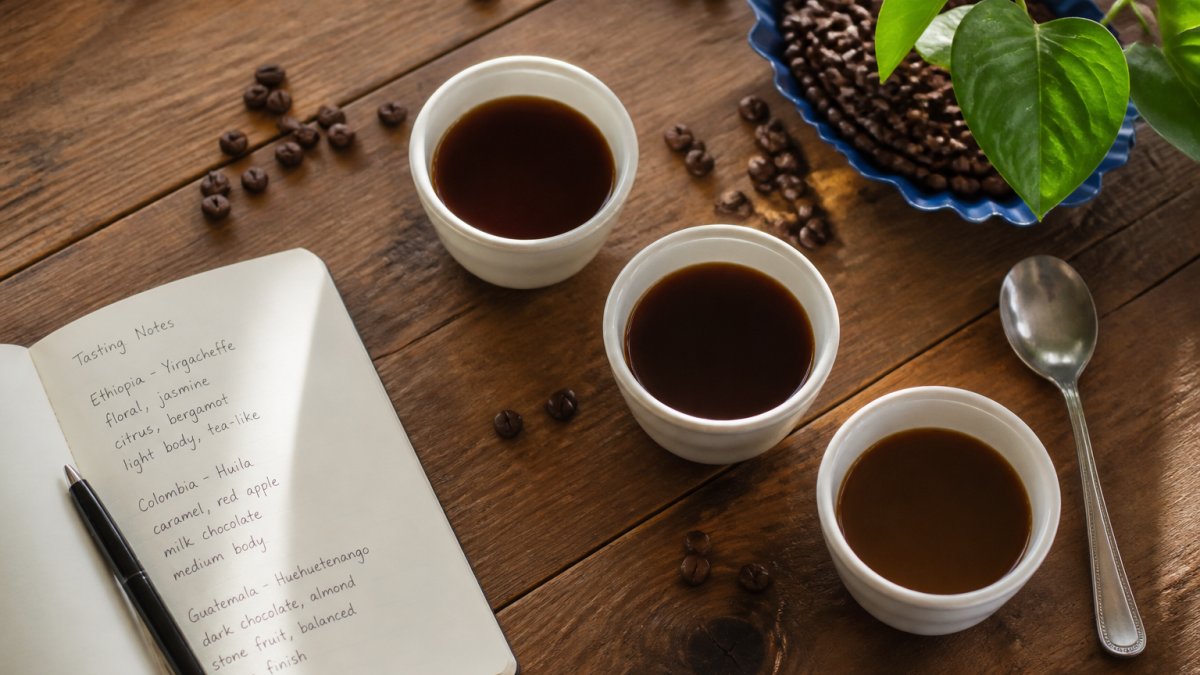
Flavor in single-origin coffee follows geography with surprising reliability, but the fastest way to choose a bag is to start from the flavor you already like and work backward to an origin. The map below is organized by preference, not by country, because that is how most buyers actually decide.
Start With Your Flavor Preference
- Chocolatey and nutty: Brazil, Guatemala, and Sumatra. Expect low to medium acidity, medium to full body, and a long, sweet finish. These are the safest picks for milk drinks and espresso.
- Fruity and berry-forward: Natural-process Ethiopia and Kenya. Look for blueberry, blackcurrant, and stone fruit. Acidity is high and the finish is clean but quick.
- Floral and tea-like: Washed Ethiopia and washed Colombia. Jasmine, bergamot, and citrus peel dominate. Best as pour-over or black drip.
- Caramel and red-apple sweet: Colombia and Guatemala. Balanced acidity, medium body, and a finish that lingers without bitterness.
- Earthy and herbal: Sumatra and other Indonesian lots. Low acidity, heavy body, and a savory, cedar-like finish.
- Low-acidity and gentle: Brazil, Sumatra, and darker-roasted Guatemala. If espresso or acid reflux is a concern, start here.
The Four Markers to Score
Sweetness, acidity, body, and finish are the four markers worth tracking, and they are the same four most specialty graders use in a cupping. A simple home method: brew the same dose and grind for two beans, taste side by side, and rate each marker from 1 to 5. A fruity, bright coffee scores high on acidity and finishes clean and quick. A chocolatey, low-acid coffee scores high on body and lingers. Keeping notes across three or four bags teaches you more than any origin description.
Reading the Label: Origin, Process, and Roast
A good label tells you three things: the growing region or farm, the processing method, and the roast level. Washed process coffees taste clean and bright. Natural process coffees taste fruitier and heavier. Light roast preserves origin character and acidity. Medium roast balances sweetness and body. Dark roast pushes chocolate and smoke, often at the cost of nuance. If a bag lists only "medium roast" with no farm or region, you're buying a story, not traceability.
How to Choose Single-Origin Coffee Beans You'll Actually Love
Choosing well comes down to matching flavor preference to brew method, then checking freshness. Start with what you already enjoy. If you drink milk-based drinks, a chocolatey Brazilian or Guatemalan holds up better than a delicate floral Ethiopian. If you drink black coffee, a bright Kenyan or washed Ethiopian rewards you.
A common mistake is buying a whole bag of an intense, unfamiliar origin and discovering it clashes with your routine. Buy a smaller bag first, or ask for a sample.
Freshness Signals: Roast Date, Bag Size, and Value
Check the roast date, not the best-by date. Coffee peaks roughly a few days to a few weeks after roasting, then fades. Whole bean stays fresh longer than pre-ground. Buy bag sizes you'll finish within a few weeks. Value per serving depends on dose, so a slightly pricier bag that needs less coffee per cup can cost the same per cup. Pricing varies by origin, bag size, and roast, so check our shop for current details.
Single-Origin Coffee for Pour-Over: Bright, Clean, and Nuanced
Pour-over rewards clarity, so single origin coffee for pour-over should be washed and lightly roasted. Washed Ethiopian, Kenyan, and Colombian lots shine here: the paper filter traps oils, letting acidity and aroma come through.
Grind medium-fine, use water just off a boil, and keep the pour slow and even. A common mistake is grinding too fine, which stalls the drawdown and muddies the cup. If your pour-over tastes bitter, grind coarser before changing anything else.
Water matters more than most people admit. Very hard or heavily chlorinated water flattens flavor, so filtered water is a cheap upgrade.
Single-Origin Coffee for Espresso: Body, Sweetness, and Balance
Single-origin coffee for espresso needs body and sweetness, not just acidity. Brazilian, Guatemalan, and Sumatran beans bring chocolate, nuts, and low acidity that hold up under pressure. Very bright, light-roasted Ethiopians can taste sharp as espresso unless you dial them in carefully.
Espresso concentrates flavor, so small grind changes swing the shot hard. Grind fine, dose consistently, and adjust one variable at a time. A natural process bean can add fruity sweetness, but expect more variability shot to shot.
Traceability and Producer Practices: What 'Ethically Sourced' Should Mean
"Ethically sourced" means little without traceability. Real transparency names the farm, cooperative, or region, the processing method, and how the producer was paid. Vague language about "partnering with farmers" tells you nothing you can verify.
When you evaluate a roaster, look for named farms or cooperatives, harvest details, and clear sourcing statements. Ask directly how producers are compensated. A roaster that can answer specifically is doing the work; one that deflects is using the phrase as marketing.
At Oak & Origin Coffee Co., we build our selection around honoring the lineage of every bean, which means naming origins and treating sourcing as a relationship rather than a label. Traceability is the difference between a claim and a practice.
Storage and Freshness: Keeping Whole Bean Coffee at Its Peak
Store whole bean coffee in an airtight container, away from light, heat, and moisture. Keep it out of the fridge: condensation and food odors ruin beans. Buy in amounts you'll finish within a few weeks, and grind right before brewing. Whole bean holds aroma far longer than pre-ground.
After opening, freshness declines steadily, so note the roast date and use the bag within its window. If you buy in bulk, freeze a portion in a sealed bag and thaw it fully before grinding.
Frequently Asked Questions
What makes single-origin coffee taste different from a blend?
Single-origin coffee comes from one growing region, farm, or micro-lot, so it carries the specific character of that place: its soil, altitude, climate, and processing method. Blends combine beans from multiple origins to create a consistent, balanced cup. The result is that single-origin coffee tends to show clearer, more distinct tasting notes, whether fruity, floral, chocolatey, or nutty, while blends aim for roundness and reliability. If you want to taste what a specific farm or region actually produces, single-origin coffee is the way to explore that.
Which single-origin coffee beans are best for beginners?
Start with a medium roast from a well-known growing region like Colombia or Brazil. These tend to offer approachable sweetness, mild acidity, and familiar chocolatey or nutty notes that work well in most brew methods. Avoid very light roasts and highly processed naturals at first, since their intense fruity or fermented flavors can surprise a palate used to grocery-store coffee. Buy whole bean, check the roast date, and try one bag at a time so you can compare flavor profiles without overwhelming your routine.
How long do whole coffee beans stay fresh after roasting?
Whole bean coffee is at its best roughly 5 to 20 days after the roast date. Peak flavor usually arrives a few days after roasting, once the beans have degassed, and begins to fade noticeably after about four to six weeks. Store beans in an airtight container away from light, heat, and moisture, and avoid the refrigerator, which introduces condensation. Buying smaller bags more often and checking the roast date on the label are the simplest ways to keep your single-origin coffee tasting the way the roaster intended.
Is single-origin coffee worth the higher price compared to grocery store beans?
The extra cost usually reflects smaller harvests, more careful processing, fresher roasting, and traceable sourcing from specific farms or micro-lots. Grocery store coffee is often roasted months before purchase and blended for consistency rather than character. With single-origin coffee, you are paying for flavor clarity, freshness, and a supply chain you can actually ask questions about. If you drink coffee daily, the difference per cup is often small, and the improvement in aroma and taste is easy to notice.
Great coffee rewards attention: a fresh roast date, a bean matched to your brew method, and a storage routine that protects it. If you want beans chosen for origin character and roasted to order, Oak & Origin Coffee Co. offers small-batch, ethically sourced single-origin coffee built for intentional daily rituals. Browse our current selection and find the origin that fits your morning.